
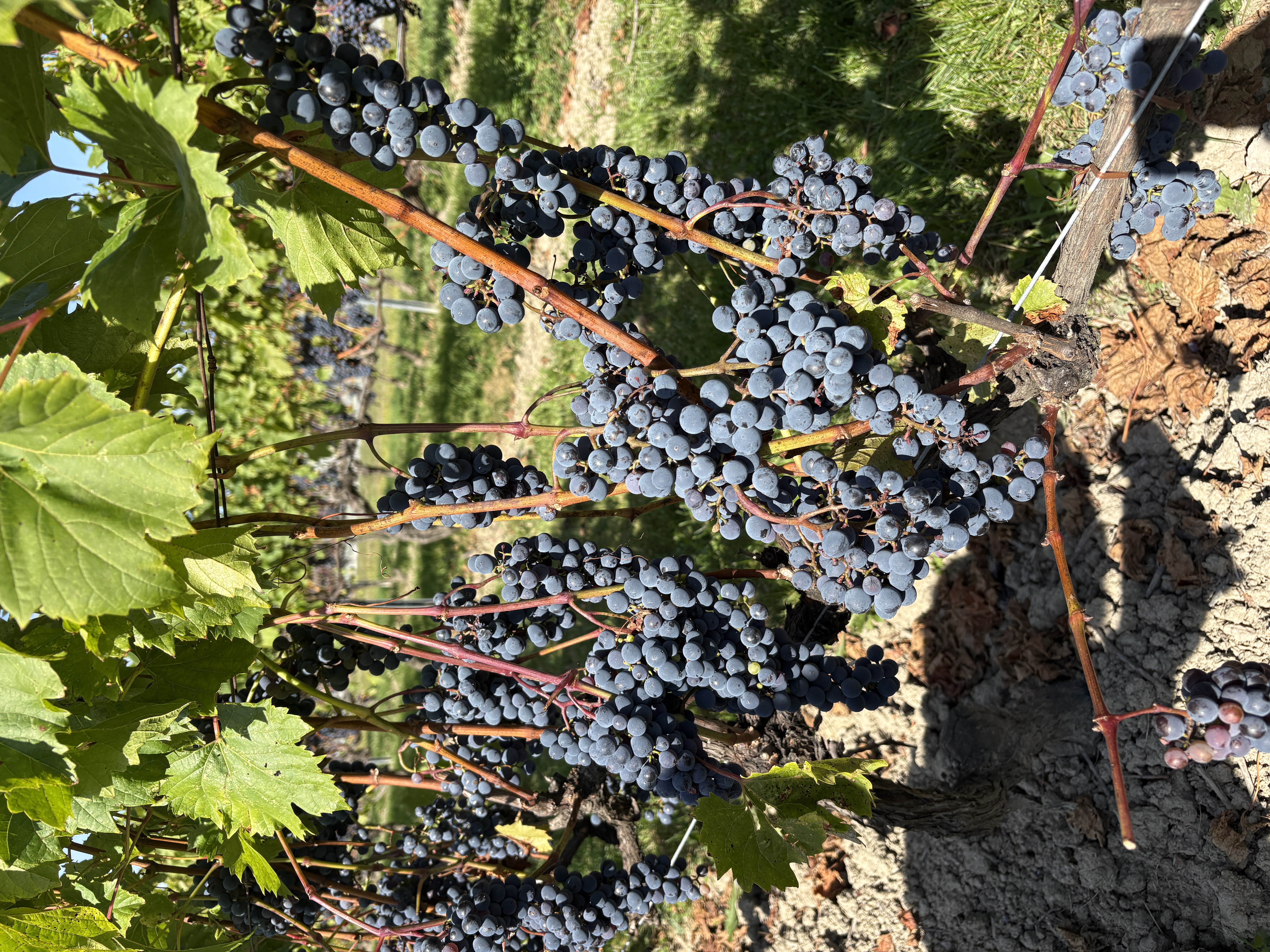
Apple Industry – Quebec. Field assessment of local production dynamics and opportunities for higher-value-added processing.
Apple Industry – Quebec. Field assessment of local production dynamics and opportunities for higher-value-added processing.
When Processing Transforms an Industry’s Economy
In many agricultural sectors, it all starts with production. Crops are grown, harvested, and sold. The cycle seems simple.
But behind this apparent simplicity lies a more complex economic reality. Production alone is almost never enough to capture a product’s full value.
More often than not, value is created further down the chain.
Between the harvest and the end consumer, several stages take place: processing, packaging, transportation, and distribution. At each of these stages, the product changes. And with it, its economic value.
This is why processing plays a strategic role in the organization of supply chains.
Processing an agricultural product does not simply mean changing its form. It often means extending its shelf life, facilitating its transport, or making it accessible to new markets. In some cases, it also allows for meeting specific consumer expectations.
Let’s take a simple example. A product sold in its raw form at a local market may generate limited income. But once processed, packaged, and properly positioned in the market, that same product can achieve a much higher value.
Processing then becomes an economic lever.
It allows part of the value to be shifted to producers and the regions where production takes place. It also opens the door to new activities: artisanal processing, small-scale production units, and the creation of local brands.
But this transition does not happen automatically.
For processing to succeed, several conditions must be met: access to equipment, technical skills, collective organization, and access to markets. Without these elements, initiatives remain fragile.
This is why development projects focused on agricultural value chains must consider the entire value chain. Producing more is not always enough. Structuring the stages that follow production often becomes the real key.
In many contexts, processing thus represents a crucial step: the one that enables an agricultural activity to become a true economic driver for producers and their communities.